
Market Penetration

Growth doesn’t always come from new markets. Often, it’s hiding in plain sight.

Market penetration is about understanding how deeply your business has embedded itself in the areas you already serve. Not just where you operate, but where you’re underperforming, oversaturated, or leaving opportunity on the table.

At Atlas Mapping, we turn market penetration into something you can actually see, measure, and act on.

Decorative circular pattern background Decorative circular pattern background Decorative circular pattern background Decorative circular pattern background Decorative circular pattern background Decorative circular pattern background Decorative circular pattern background Decorative circular pattern background
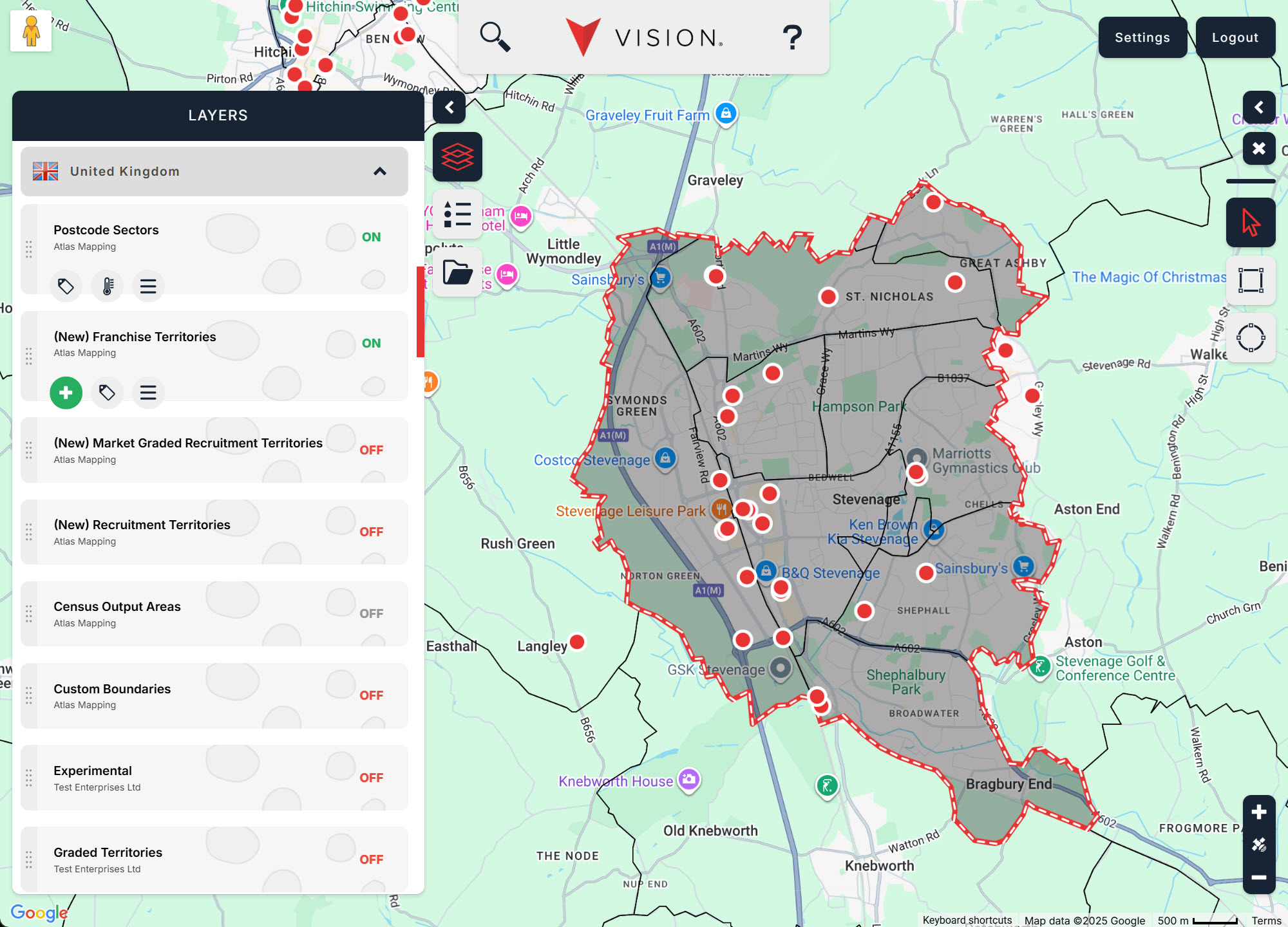
Home Page Points Image
play-button
Home Page Information Window Image
Atlas Mapping Logo

What market penetration really means

On paper, market penetration is a simple ratio: the number of customers you serve versus the total addressable market available. It is the percentage that answers your most critical commercial question: How much opportunity is still out there?

While the formula is straightforward the reality is rarely uniform: (current customers ÷ total addressable market) × 100 

A 12.5% penetration rate might look like a single data point on a spreadsheet, but for most businesses, that number shifts dramatically from one postcode to the next. One territory might be delivering consistent revenue, while another remains full of untapped potential.

This is why mapping matters. It moves you beyond averages and reveals exactly where your brand is embedded, where you’re underperforming, and where you’re leaving growth to your competitors.
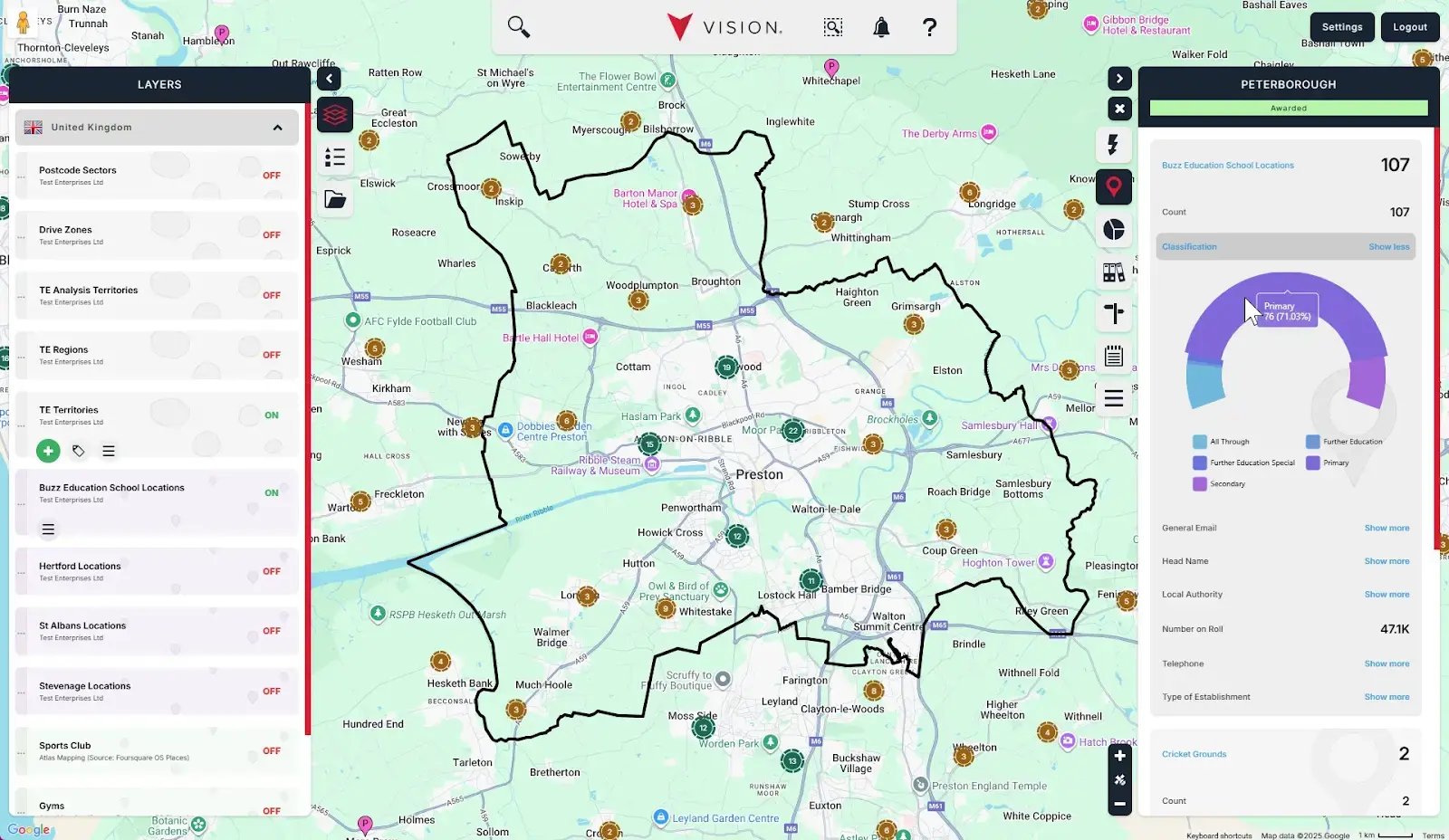
 

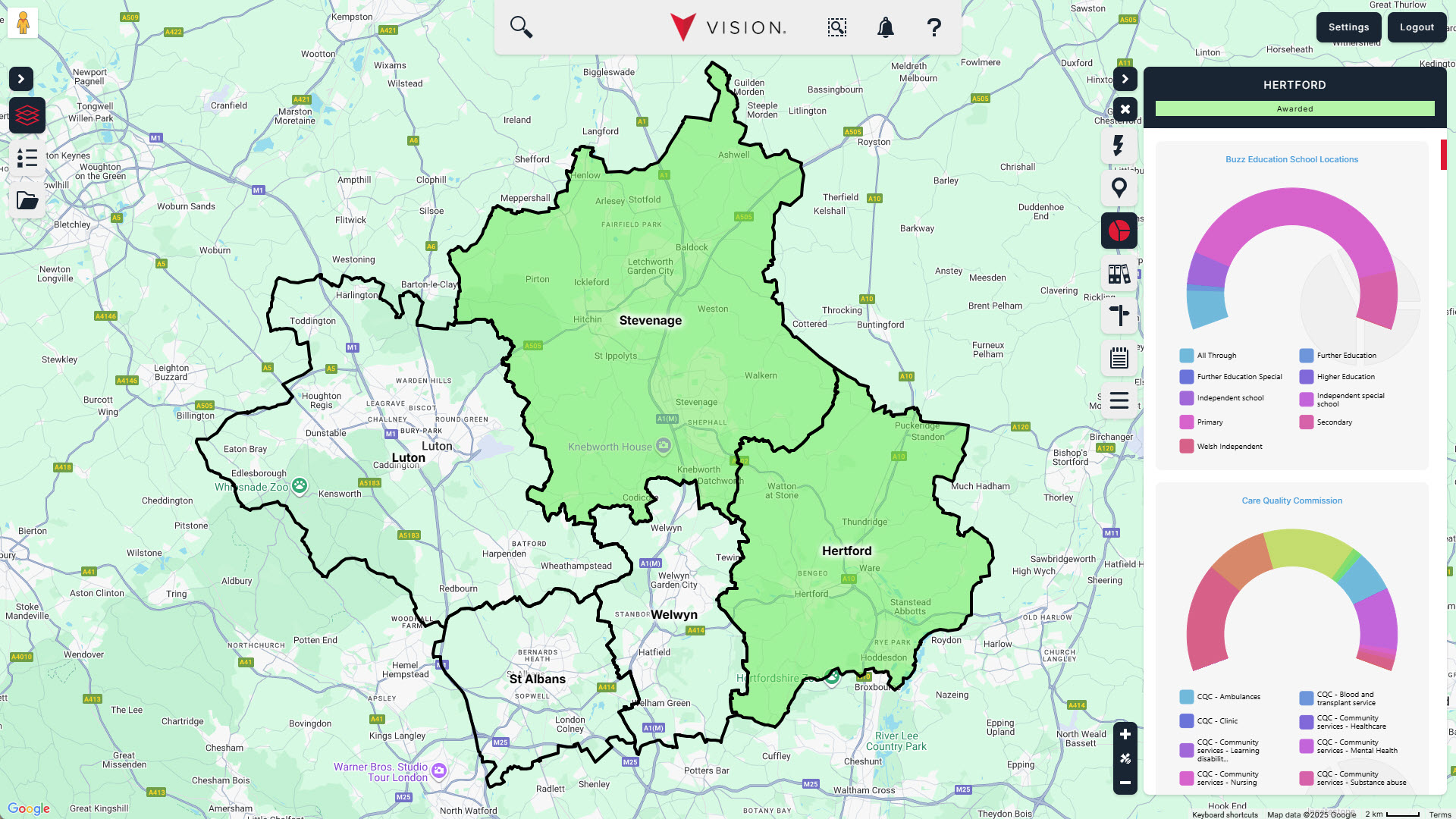
market-penetration-tool

Turning data into geographic insight

Atlas Mapping combines your customer data with geographic boundaries to reveal patterns that are almost impossible to spot in tables or reports.

You can visualise:

  • Where customers cluster densely
  • Areas with high potential but low uptake
  • Territories that are overworked or underperforming
  • Gaps between sales activity and actual demand

This allows teams to move beyond instinct and focus effort where it will have the greatest impact.

Less noise. More signals.


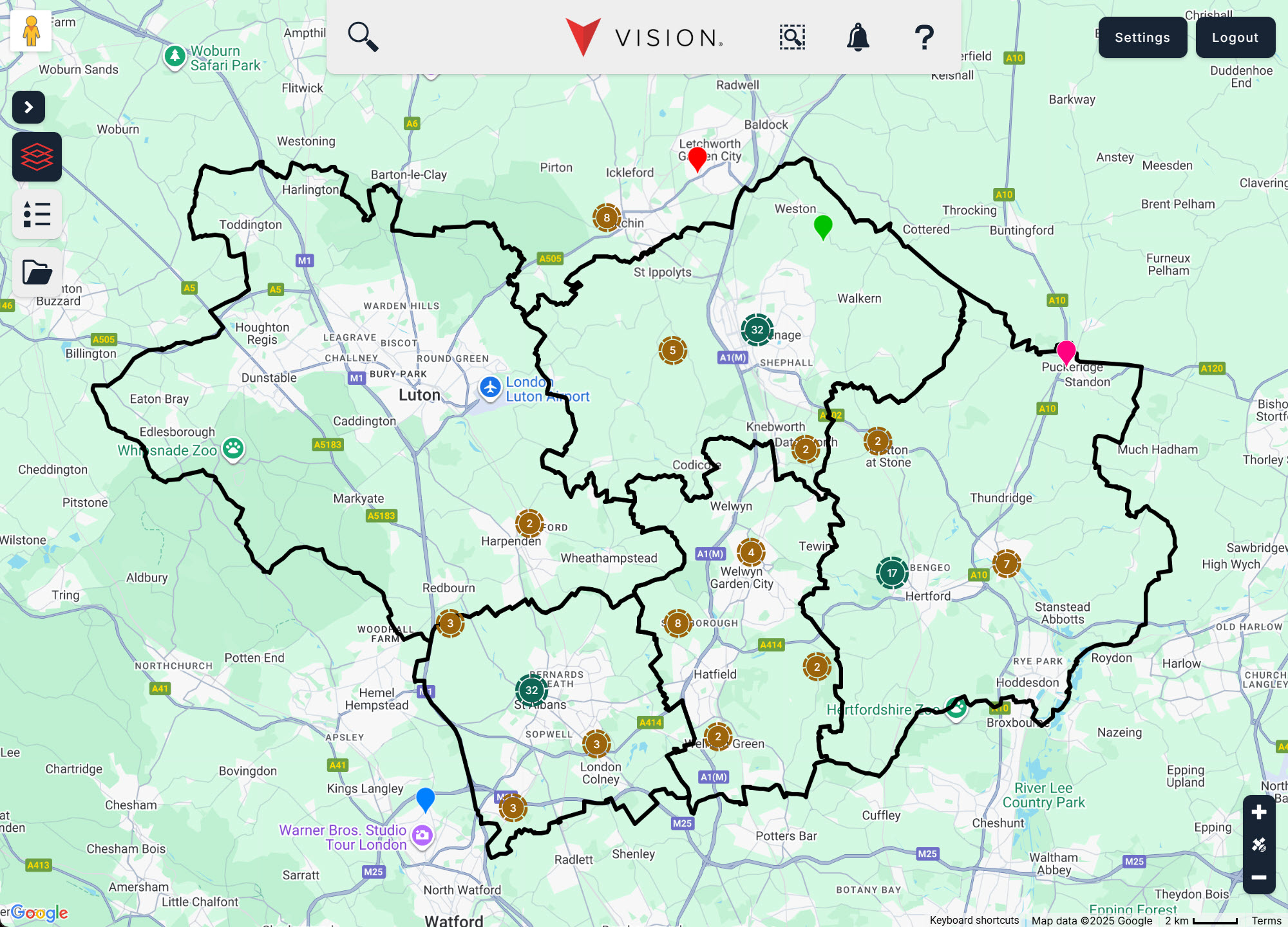
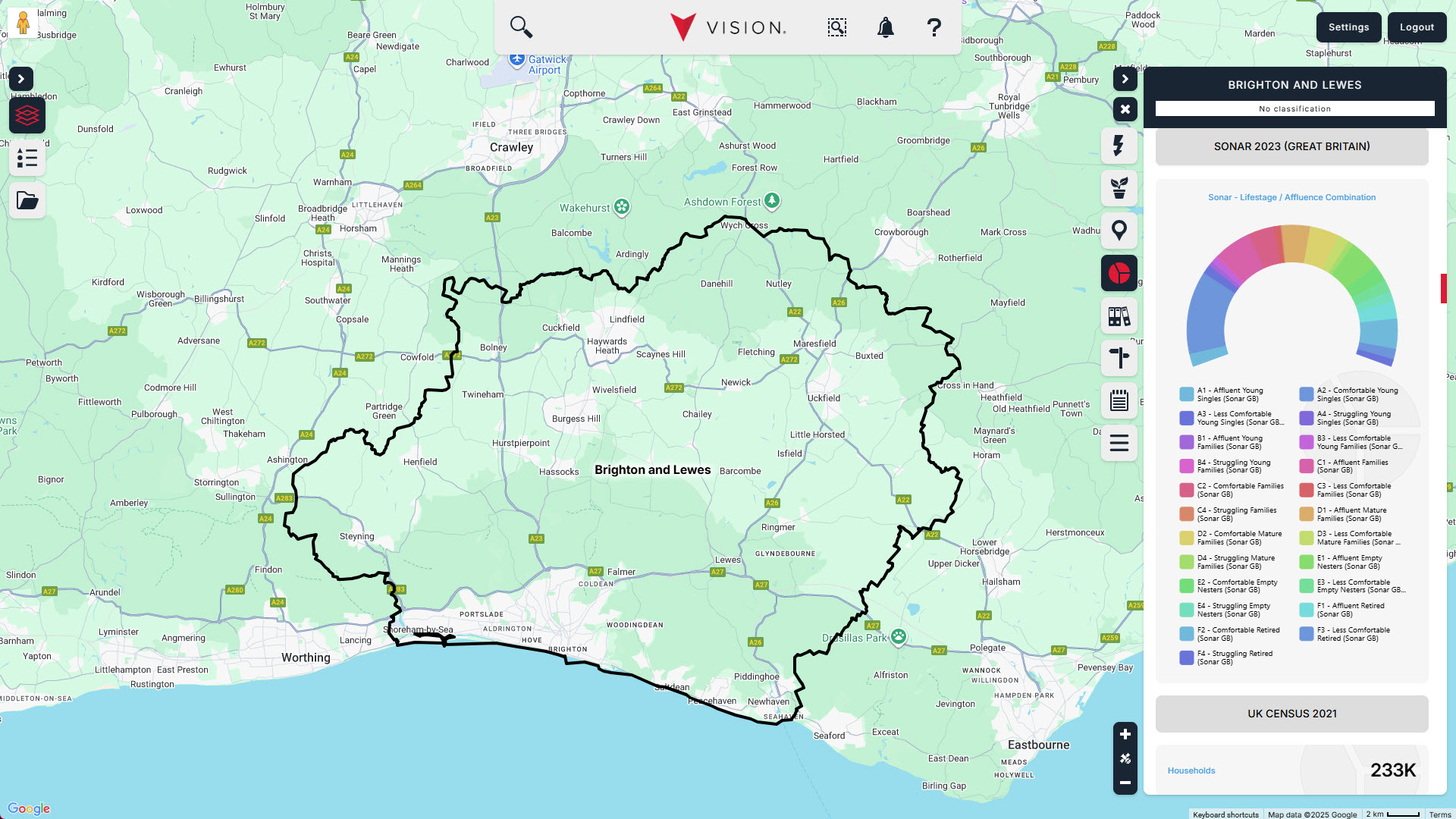
Brighton & Lewes territory map example using the Vision Platform

Designed for commercial teams

Market penetration mapping is used across multiple functions, often at the same time.

Sales teams use it to prioritise territories and focus outreach.
Marketing teams use it to align campaigns with areas of weak penetration.
Strategy teams use it to decide whether growth should come from expansion or consolidation.

Because the data is visual and shared, everyone works from the same understanding of the market.

That alignment alone can unlock momentum.

Vision Platform - Quick Easy Territory Design v2

Market Penetration before expansion

One of the most common mistakes businesses make is expanding too early.

New locations. New territories. New markets. All before fully understanding the performance of what already exists.

Atlas Mapping helps you answer the uncomfortable questions first:

Are we actually maximising the areas we already serve?
Where are we spreading ourselves too thin?
Which territories have headroom for growth right now?

In many cases, improving penetration delivers faster returns than opening something new. And it carries far less risk.

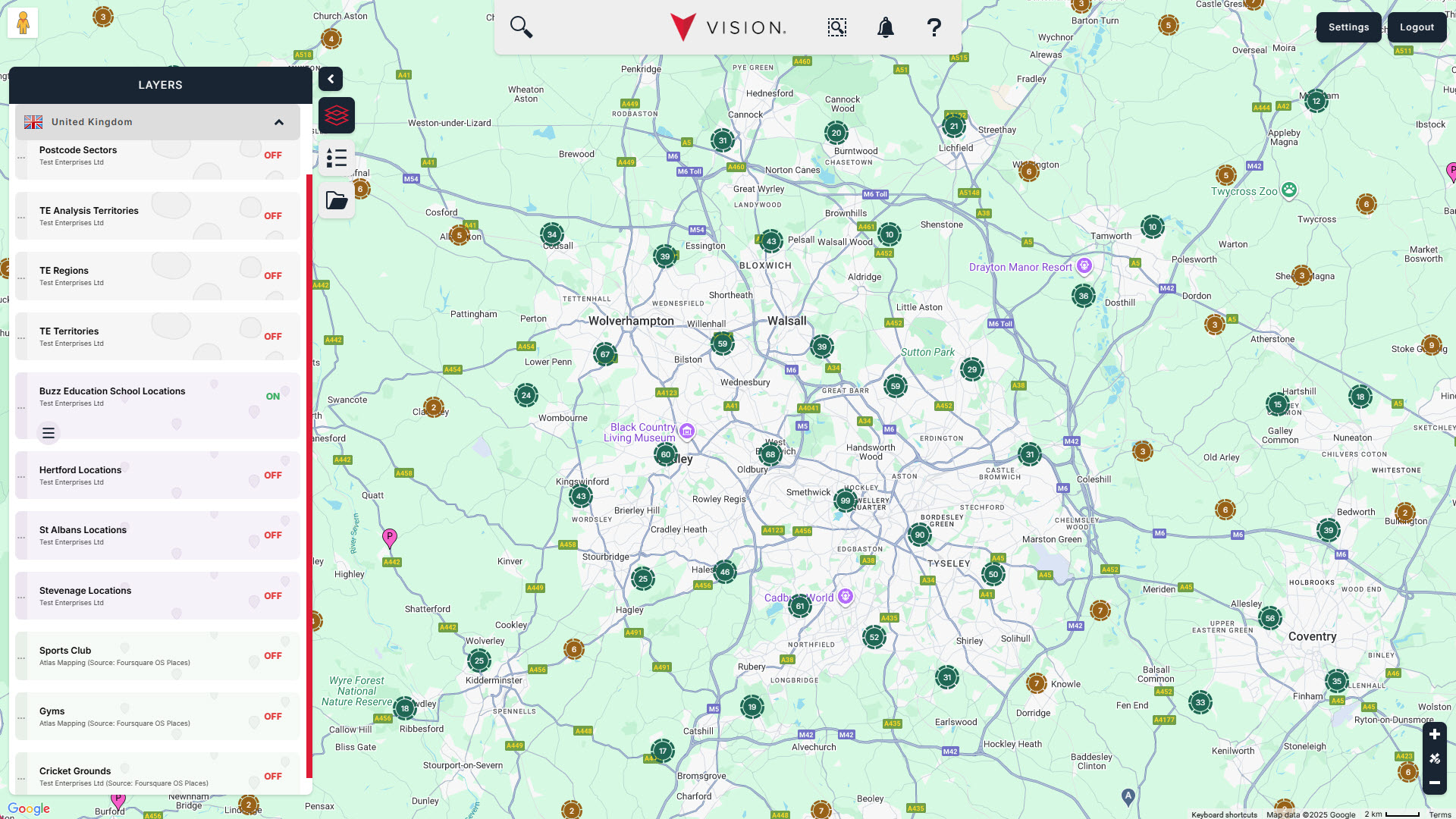
Vision Platform - Pin All v2

Built for complexity, not averages

Market penetration is rarely uniform.

Urban areas behave differently to rural ones. Dense markets behave differently to dispersed ones. Sales-led growth looks different from inbound-led growth.

Atlas Mapping handles this complexity by letting you layer multiple datasets together. Customers, prospects, performance metrics, territories, and catchments.

You’re not looking at averages. You’re seeing reality.

And that changes how decisions get made.

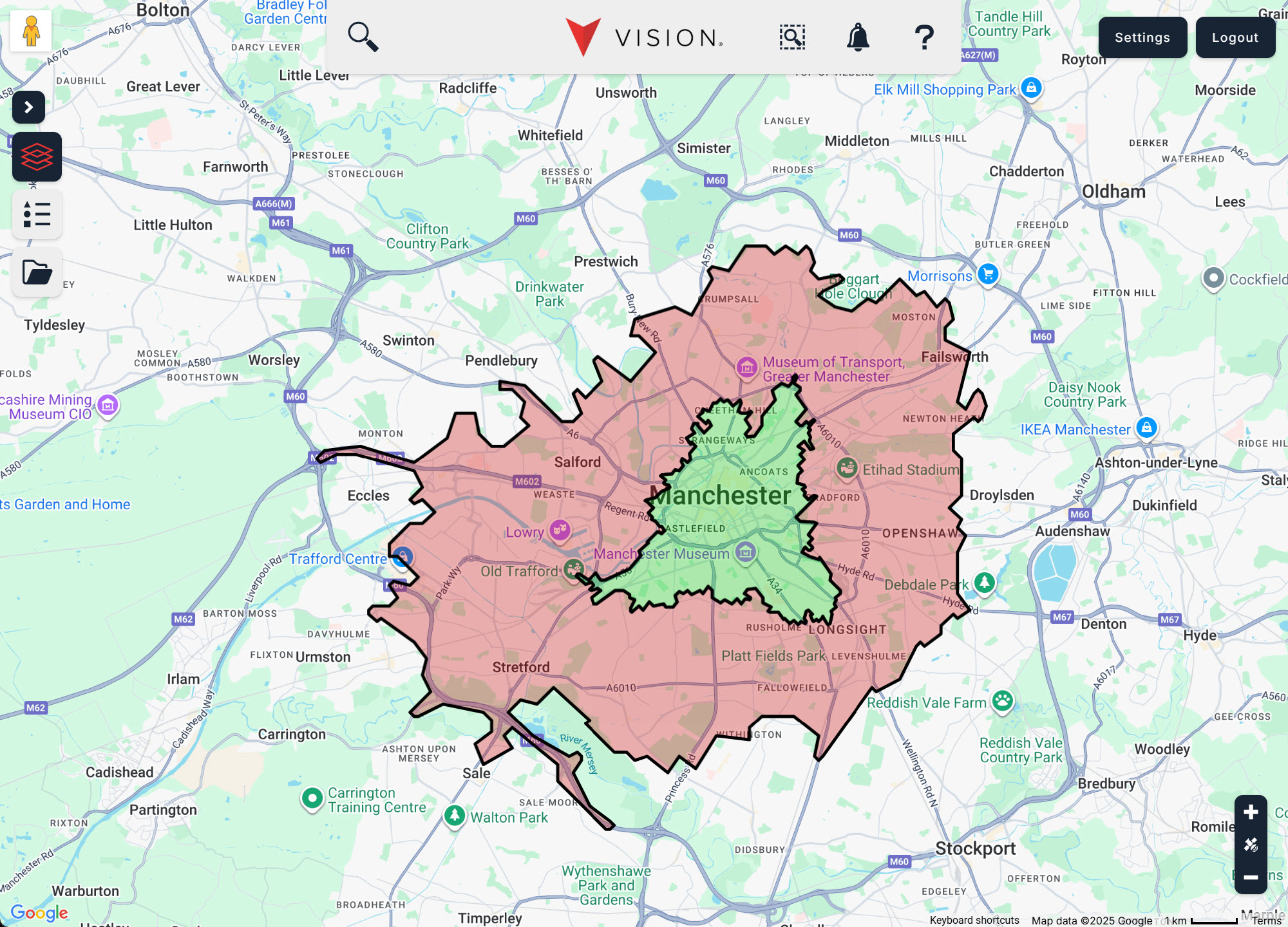
Vision Platform - Drive Zones v2

From insight to action

A good penetration map doesn’t just explain the past. It guides the next move.

With Atlas Mapping, teams use penetration insight to:

• Redraw sales territories
• Rebalance account ownership
• Refocus marketing spend
• Identify pilot areas for new initiatives

The map becomes a working tool, not a one-off report.

Something you return to. Update. Question.

Untitled design - 2023-12-18T132825.940

Why Atlas Mapping?

Because penetration is invisible until you make it visible.

We don’t just calculate ratios. We show you how your market behaves across space, and where effort will deliver the highest return.

Clear geography. Clear priorities. Better conversations internally.

If you want to grow without guessing, market penetration mapping gives you the clarity to do it properly.

Atlas Mapping Logo

Frequently Asked Questions

Does market penetration mapping work for franchise networks?

It’s arguably the most critical tool for a franchisor. It allows you to move beyond "average performance" and see exactly how each franchisee is performing against their specific territory's potential. Use these insights to:

  • Identify underperforming franchisees who need additional support.
  • Provide evidence-based data for territory resales or splits.
  • Prove the remaining "headroom" for growth to prospective investors.

What data do I need to start mapping market penetration?

You don’t need a perfect database to gain insight. At a minimum, you need your customer locations (postcodes or addresses) and a definition of your territory boundaries. To see the full picture, we layer this against "potential" data such as total business counts or demographic statistics which we can provide. The goal isn't to look at a snapshot of the past; it’s to overlay what you have against what is actually available.

Ready to realise your full potential?

Give us a ring, drop us an email, or fill in the form below to contact us.